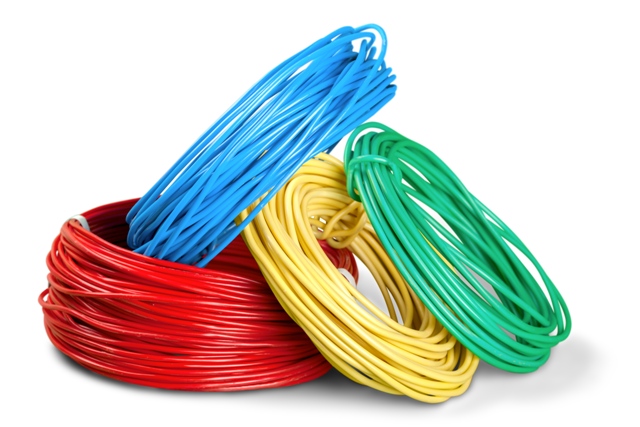
The Essential Role of Cables in Modern Connectivity
In today's digital age, the essential role of cables in modern connectivity cannot be overstated. From powering our devices to enabling high-speed data transfer, cables form the backbone of our interconnected world. They come in various types, including coaxial, fiber optic, and Ethernet cables, each serving a unique purpose in the network ecosystem. For instance, fiber optic cables deliver astounding bandwidth and speeds, making them ideal for internet service providers to meet the growing demand for data consumption.
Moreover, the importance of cables extends beyond simple connectivity; they also play a critical role in ensuring reliability and security in communications. With the increasing prevalence of remote work and online activities, having a stable wired connection through cables can significantly enhance productivity and user experience. Additionally, cables facilitate the seamless integration of various technologies, from home automation systems to enterprise-level infrastructures. As we continue to advance further into the digital realm, the value of quality cabling solutions will only grow, highlighting their essential role in fostering modern connectivity.
Counter-Strike is a popular tactical first-person shooter game that pits teams of terrorists against counter-terrorists in various objective-based scenarios. Players can choose different weapons and strategies to outsmart their opponents and secure victory. For gamers looking to enhance their gaming experience while on the move, check out the Top 10 travel tech accessories that can keep your gear ready for action.
Understanding Different Types of Cables: Which One Do You Need?
When it comes to choosing the right cables for your needs, it's essential to understand the different types of cables available on the market. Cables can be classified into several categories based on their function and application, including power cables, data cables, and audio/video cables. Each type serves a specific purpose, and selecting the right one can significantly impact the performance and reliability of your devices. For instance, while power cables are designed to transport electricity to various devices, data cables facilitate the transfer of information between computers or other electronics.
To help you decide which cable you need, consider the following factors:
- Compatibility: Ensure that the cable type is compatible with your devices.
- Length: Measure the distance between devices to choose a suitable length.
- Speed and Performance: Different cables offer varying data transfer rates—choosing the right one can make a difference.
How Cables Impact Performance: Debunking Common Myths
When it comes to the performance of electronic devices, the role of cables is often underestimated. Many people believe that any cable will suffice, regardless of its quality or specifications. However, this is a myth that can significantly impact your device's functionality. High-quality cables can enhance signal integrity and reduce loss, whereas cheaper alternatives may introduce noise and distortions that degrade overall performance. Consider the example of HDMI cables: using a certified high-speed HDMI cable will ensure that your 4K content is delivered without compression artifacts, while a low-quality cable might struggle to transmit higher resolutions effectively.
Another common misconception is that the length of a cable does not affect its performance. In reality, cable length can play a critical role in the overall performance depending on the type of signal it transmits. For instance, longer Ethernet cables can lead to increased latency and reduced speed due to signal degradation. Investing in shorter, high-quality cables can therefore be more beneficial for maintaining optimal performance. Understanding these nuances can help you make more informed decisions about your audio-visual setup and network design.