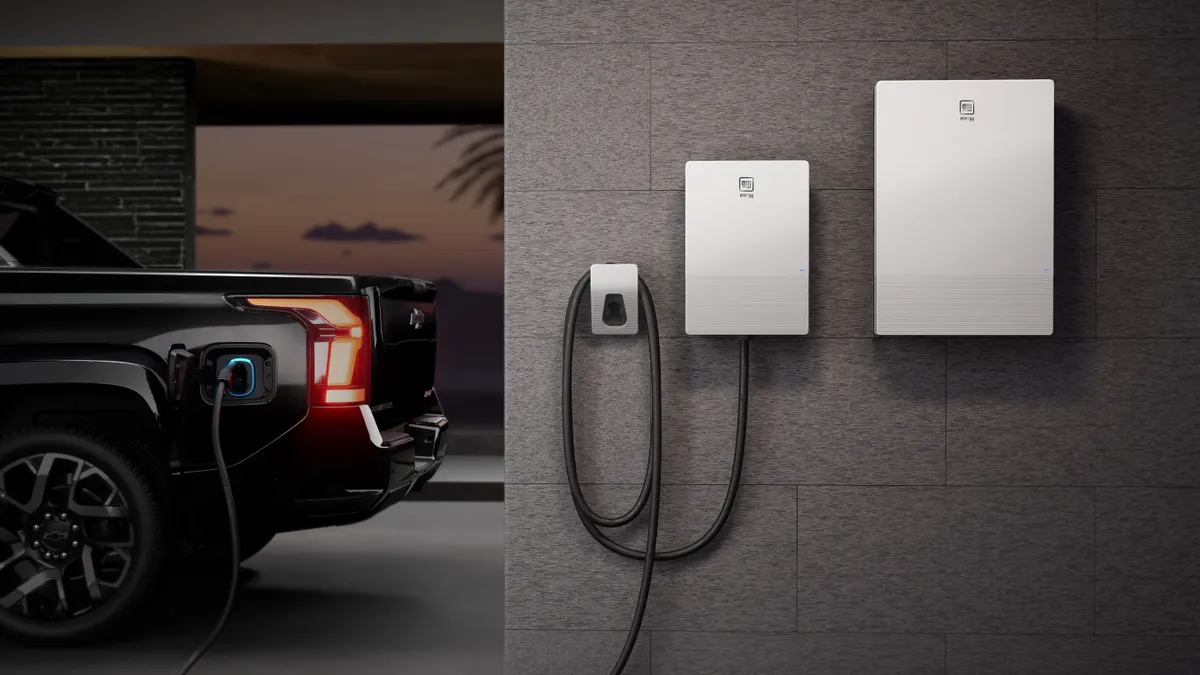
The Rise of Smart Charging: How AI Will Transform Your Charging Experience
The emergence of smart charging technologies is revolutionizing how we charge our devices, and at the heart of this transformation is AI. As the demand for efficient energy usage continues to rise, AI-powered charging solutions are stepping in to optimize energy consumption and reduce costs. By analyzing user behavior and energy patterns, these smart systems can predict the best times to charge devices, ensuring maximum efficiency and minimal environmental impact. This shift not only enhances user convenience but also contributes to sustainability, aligning perfectly with global energy goals.
Moreover, the integration of AI in charging technologies goes beyond mere efficiency; it introduces features that enhance user experience significantly. For instance, smart charging stations equipped with AI can offer personalized charging schedules and real-time updates on energy consumption. This means users can enjoy the convenience of charging their devices during off-peak hours, leading to substantial savings on electricity bills. As we continue to embrace the wave of digital innovation, the rise of smart charging powered by AI is set to reshape our daily interactions with energy and technology.
Counter-Strike is a popular tactical first-person shooter game that emphasizes teamwork and strategy. Players can choose to be part of the terrorist or counter-terrorist team, each with specific objectives. For those who love to travel, you might find our list of Top 10 iphone travel accessories helpful for your gaming setup on the go.
Electric Vehicles vs. Traditional Cars: What’s the Future of Charging?
The debate between Electric Vehicles (EVs) and Traditional Cars is heating up, particularly in regard to the future of charging infrastructure. As more consumers consider switching to EVs, the need for a robust and accessible charging network becomes increasingly critical. Currently, EV owners rely on home charging stations and public charging points, which vary widely in availability and speed. In contrast, traditional cars benefit from an established fuel station network that has evolved over decades. This disparity raises questions about how quickly the necessary infrastructure can be developed to support the growing demand for electric vehicles.
Looking ahead, several factors will play a pivotal role in the evolution of charging solutions for electric vehicles. For instance, advancements in batteries may lead to faster charging times, making EVs more convenient to use. Additionally, as government policies and incentives encourage the adoption of electric vehicles, investment in charging infrastructure is expected to surge. Wireless charging technology is also gaining traction, potentially allowing EVs to charge while in motion on specially equipped roads. As these innovations unfold, the future of EV charging could reshape the entire automotive landscape, tipping the scale away from traditional fuel options.
Charging in the Home of the Future: Innovations You Need to Know About
As we move toward a more connected and automated world, the home of the future is poised for incredible innovations in how we charge our devices. Imagine a living room where your smartphone charges wirelessly simply by being in close proximity to a charging hub embedded in your furniture. This seamless integration of technology not only reduces clutter but enhances the ability to keep devices powered. Key developments in wireless charging technology include resonant inductive charging, which allows for charging over longer distances, and solar-powered charging stations that harness the sun’s energy to provide eco-friendly power for your home gadgets.
Moreover, the future is seeing the emergence of smart home energy management systems that optimize energy consumption and charging times. These systems analyze your usage patterns and can automatically schedule charging during off-peak hours to save on energy costs. Additionally, advancements in battery technology, such as solid-state batteries and fast-charging solutions, promise to dramatically reduce charging times and enhance battery lifespan. Embracing these innovations not only prepares us for a tech-driven lifestyle but also significantly contributes to a sustainable future.