How Data Transfer Works: A Deep Dive into the Journey of Your Bytes
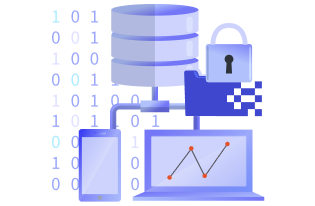
Understanding how data transfer works is crucial in the digital age, where terabytes of information are exchanged every second. Data transfer involves the movement of data between devices, such as computers and servers, through various communication channels. When you send a file over the internet, it is broken down into smaller packets of data, which are then transmitted across the network. Each packet travels independently, navigating through routers and switches, until it reaches its destination. This packet-switching method allows for efficient use of the network, as it can reroute packets in case of congestion or failures.
Once the packets arrive at their destination, they are reassembled in the correct order to recreate the original data. This process relies on protocols like TCP (Transmission Control Protocol) and UDP (User Datagram Protocol) to ensure that data integrity is maintained during transfer. TCP guarantees the delivery of packets, making it ideal for applications that require consistent data accuracy, such as file transfers and emails. Conversely, UDP allows for faster data transmission by sacrificing some reliability, making it suitable for real-time applications like video streaming and online gaming. Understanding these mechanisms is essential for optimizing data transfer and ensuring a seamless experience across various platforms.
Counter-Strike is a popular tactical first-person shooter video game that emphasizes teamwork and strategy. Players can choose between two teams: Terrorists and Counter-Terrorists, each with unique objectives. For gamers looking to enhance their setup, check out the Top 10 usb c hubs for macbook to improve connectivity and gaming experience.
The Importance of Data Transfer Rates: Why Speed Matters
In today's fast-paced digital landscape, data transfer rates play a critical role in the overall performance of online activities. Whether you are streaming videos, downloading files, or engaging in online gaming, the speed at which data is transferred can significantly impact user experience. A slow transfer rate can lead to buffering, lag, and frustration, whereas a high transfer rate ensures seamless access to content and services. Businesses that prioritize optimizing their data transfer speeds are more likely to retain customers, improve satisfaction, and encourage repeat visits to their platforms.
Moreover, in an era where cloud computing and remote work are becoming increasingly common, understanding the importance of data transfer rates is paramount. Effective collaboration is reliant on swift data sharing, whether it’s collaborating on a document in real-time or accessing cloud-based applications. Companies that invest in improving their network infrastructure and enhancing data transfer speeds can boost productivity, streamline operations, and facilitate better communication among teams. Ultimately, the emphasis on speed not only enhances individual experiences but also drives greater efficiencies within organizations.
What Happens to Your Data During Transfer? Exploring the Process
When data is transferred across networks, it undergoes a series of processes that ensure its integrity and security. Initially, the data is packaged into smaller units called packets, which include not only the actual information being sent but also important metadata such as the sender's and receiver's IP addresses. This step is crucial because it allows the data to navigate through various routers and switches on its journey. Additionally, encryption techniques may be applied during the transfer to protect the sensitivity of the information, making it unreadable to anyone who intercepts the packets.
As the data travels from one point to another, it may traverse several different types of networks, including local area networks (LANs) and wide area networks (WANs). At each point along the way, protocols dictate how the data packets are managed and reassembled, ensuring that no information is lost or tampered with. Upon reaching its destination, the receiving device conducts a verification process to confirm that all packets have arrived intact. If any packets are missing or corrupted, a request for retransmission will be initiated, thus safeguarding the quality of your transferred data.