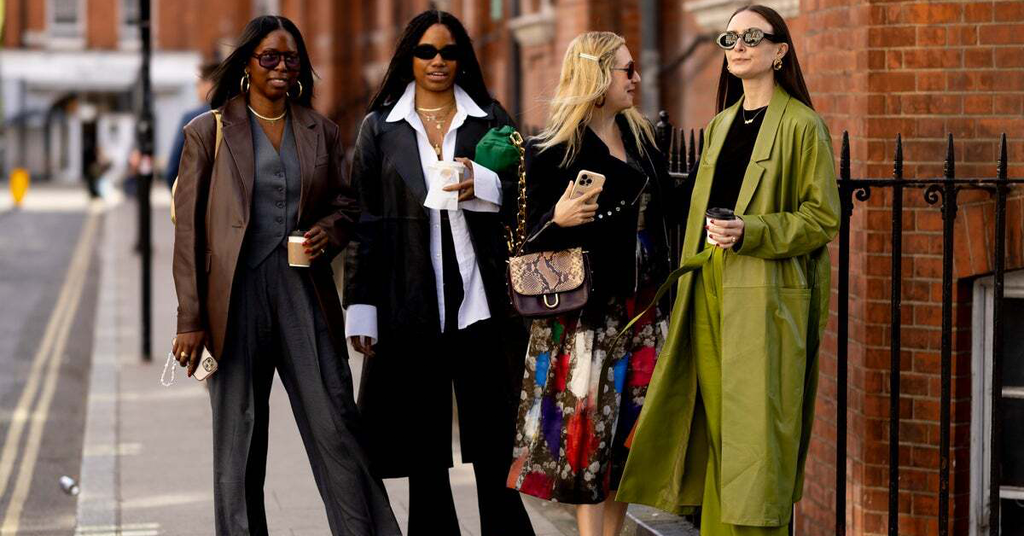
Unlocking Your Unique Style: Tips for Dressing to Express Yourself
Developing a unique style is a journey of self-discovery and expression. To begin unlocking your unique style, start by understanding your personal tastes. Explore various fashion influences, from vintage looks to contemporary trends, and take note of what resonates with you. Consider creating a mood board filled with outfits, colors, and textures that inspire you. This visual representation can help clarify your aesthetic and guide your wardrobe choices. Additionally, remember that fashion is not just about clothes; accessories, hairstyles, and makeup all play a significant role in defining your style.
Once you have a clear understanding of your preferences, it’s time to experiment! Step out of your comfort zone by trying new outfits and combinations. Don't hesitate to mix and match different pieces to see what works. You can even host a mini fashion show in your home, trying out various looks and taking photos for future reference. Lastly, remember that confidence is key. The more comfortable you feel in your clothing, the more your unique style will shine. Embrace the journey, and let your fashion choices be a reflection of who you truly are.
Counter-Strike is a popular multiplayer first-person shooter game where teams of terrorists and counter-terrorists compete to complete objectives or eliminate each other. Players can customize their loadouts and strategies, making each match unique. For those looking to protect their devices during intense gaming, check out our selection of Top 10 iPhone 17 cases to find the perfect case.
The Psychology of Fashion: How Your Wardrobe Influences Your Identity
The psychological impact of fashion on our identity is profound, as wardrobe choices often reflect and shape our self-perception. Clothes are more than mere fabric; they act as a canvas for expressing who we are or aspire to be. For instance, wearing bold colors can evoke feelings of confidence, while muted tones may suggest a more introverted nature. This interplay between clothing and identity highlights how our fashion choices serve as a form of non-verbal communication, signaling our mood, personality, and even social status to the world.
Moreover, studies reveal that our fashion sense can influence not only our self-image but also how others perceive us. For example, a well-tailored suit might elicit respect and authority, while casual attire could foster a sense of approachability. The psychological concepts of enclothed cognition demonstrate that what we wear affects our mental state and actions. As we curate our wardrobes, we subconsciously craft narratives about ourselves, making fashion a powerful tool in molding our identities and the impressions we leave on others.
Dressing for Success: What Your Outfit Says About You in Different Situations
When it comes to dressing for success, the adage "you are what you wear" holds more truth than many realize. In professional environments, your outfit can communicate your level of seriousness and commitment to your role. For instance, in a corporate office setting, tailored suits and polished shoes convey professionalism and attention to detail. On the other hand, casual wear, while comfortable, may send a message of laid-back attitudes that could be misinterpreted as a lack of ambition or dedication. Understanding the impact of your outfit on your professional persona is essential for making a strong first impression.
Beyond the workplace, your choice of clothing can significantly affect personal interactions and social situations. For example, attending a formal event in an elegant dress or a well-fitted tuxedo not only demonstrates respect for the occasion but also enhances your confidence and poise. Conversely, casual attire in a formal setting can make you feel out of place and impact how others perceive your commitment to social etiquette. Therefore, tailoring your outfit to fit the situation is crucial for ensuring that your attire appropriately reflects your intention and helps foster positive connections with those around you.