The Science Behind Light: How Different Colors Affect Your Mood
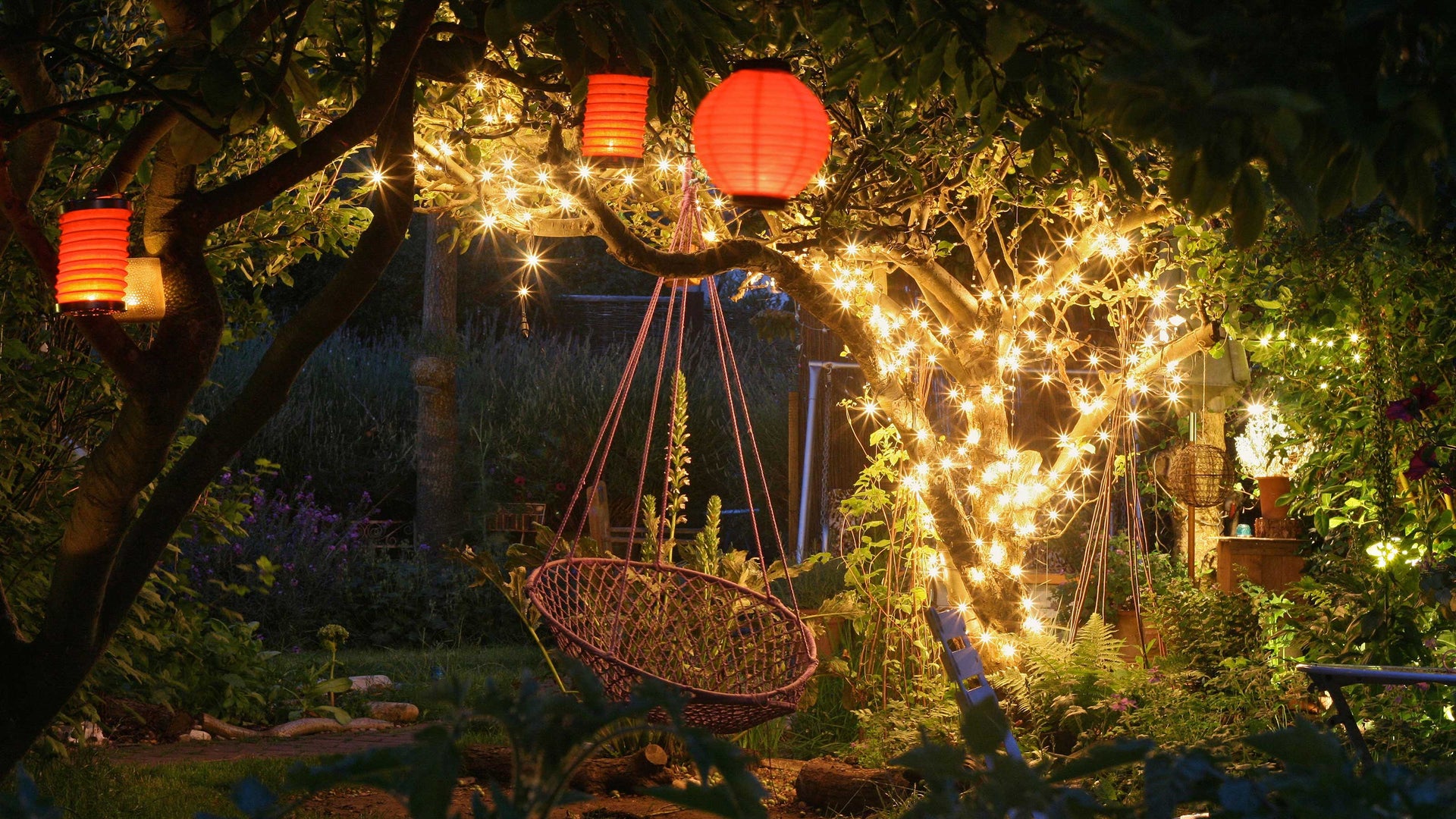
The science behind light reveals that different colors can significantly impact our emotions and overall mood. Studies have shown that colors have the power to influence our thoughts and feelings, often eliciting specific responses. For example, warm colors like red and orange tend to stimulate feelings of excitement or passion, while cooler colors such as blue and green can evoke feelings of calmness and tranquility.
Moreover, the psychological effects of color can also vary based on cultural perceptions and individual experiences. Yellow is often associated with happiness and energy, making it a popular choice for spaces designed to promote creativity. Conversely, too much exposure to certain hues may lead to feelings of discomfort or anxiety. Understanding the science behind light and how different colors affect our mood can help us create environments that support our emotional well-being.
Counter-Strike is a highly popular tactical first-person shooter game series known for its team-based gameplay and competitive nature. Players typically assume the roles of terrorists or counter-terrorists, completing objectives such as bomb defusal or hostage rescue. For those interested in improving their gaming experience, check out the Top 10 Vlog Kits for iPhone 17.
Mood Lighting: The Role of Brightness and Intensity in Emotional Well-being
Mood lighting plays a crucial role in shaping our emotional well-being, with both brightness and intensity significantly influencing our mood and atmosphere. The right level of brightness can create an inviting environment, promoting relaxation and comfort. For instance, soft, warm lights can evoke a sense of calm and tranquility, perfect for unwinding after a long day. In contrast, brighter lighting may invigorate and energize a space, fostering productivity and alertness during tasks that require focus. Understanding how to manipulate the intensity of light in various settings can enhance our overall mental state and contribute to improved emotional health.
Research indicates that brightness not only affects our immediate surroundings but also our psychological well-being. For those battling seasonal affective disorder (SAD) or feelings of depression, exposure to brighter, natural light can stimulate serotonin production, which is vital for mood regulation. Additionally, adjusting the intensity of lighting in our homes or workplaces can serve as a simple yet effective method to enhance our emotional state. By incorporating elements such as dimmer switches, lamps with adjustable brightness, or even smart lighting solutions, we can tailor our environments to suit our daily mood fluctuations and promote a healthier mindset.
Can the Right Illumination Transform Your Space and Uplift Your Spirits?
When it comes to transforming your space, the right illumination plays a critical role. Proper lighting can influence not just the aesthetic of a room but also your mood and productivity levels. For instance, warm-toned lights tend to create a cozy atmosphere, making a space feel more inviting and comfortable. In contrast, bright white lights are invigorating and can make a space feel larger and more energetic. Consider using layered lighting—table lamps, floor lamps, and overhead fixtures—to achieve a balanced ambiance that enhances both the functionality and beauty of your room.
Moreover, thoughtful lighting design can significantly uplift your spirits. Natural light, for instance, has been shown to boost serotonin levels, improving overall well-being. If your space lacks adequate sunlight, supplementing it with strategically placed lights can mimic daylight effects, helping to enhance your mood and productivity. To optimize the light in your space, incorporate dimmers, adjustable fixtures, and even smart lighting solutions that adapt to both your preferences and the time of day. With these adjustments, your environment can become a sanctuary that energizes and inspires.