Understanding Lightning: The Science Behind Nature's Electric Discharges
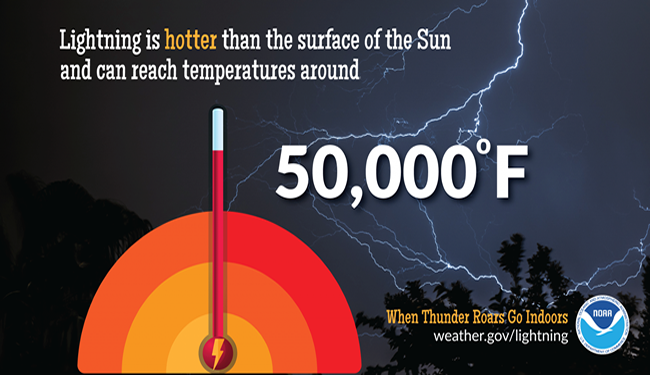
Understanding Lightning involves delving into the intricate science behind nature's electric discharges. Lightning is primarily a result of the buildup of electric charges in storm clouds, which leads to a massive potential difference. When the electrical energy surpasses the air's insulating capabilities, it releases a tremendous bolt of electricity, creating a pathway for the discharge. This phenomenon can be observed in various forms, including forked lightning, sheet lightning, and ball lightning. Remarkably, the temperature of a lightning bolt can reach up to 30,000 Kelvin, making it five times hotter than the surface of the sun.
To fully grasp the impact of lightning, we must also consider the accompanying thunder. The rapid expansion of heated air from the lightning bolt causes shock waves that manifest as the sound we hear. While many associate lightning with rain and storms, it can occur in clear skies as well. Here are a few facts to keep in mind:
- About 100 lightning strikes occur worldwide every second.
- The average distance of lightning can be up to 5 miles from a storm cloud.
- Lightning can strike the same place multiple times, often affecting tall structures like skyscrapers and trees.
By understanding these aspects of lightning, we can appreciate the power and beauty of this natural phenomenon.
Counter-Strike is a popular tactical first-person shooter that pits teams of terrorists against counter-terrorists in objective-based gameplay. The game has evolved through various iterations, with Top 10 iphone charging cables enhancing the gaming experience by ensuring your devices stay charged during long gaming sessions. Its competitive scene has fostered a vibrant esports community, making it a staple in the gaming industry.
Top 10 Essential Tips for Staying Safe During a Thunderstorm
Thunderstorms can be unpredictable and dangerous, making it crucial to know how to protect yourself and your loved ones. Here are the top 10 essential tips for staying safe during a thunderstorm:
- Stay Indoors: When you hear thunder or see lightning, seek shelter inside a sturdy building. Avoid windows and doors, and stay away from anything conductive, such as plumbing or electrical appliances.
- Monitor Weather Alerts: Stay informed by listening to local weather updates and alerts. Use a weather app to receive real-time notifications about severe thunderstorms.
- Avoid Elevation: Do not take shelter under trees or high structures; instead, find a low place to stay safe from lightning strikes.
- Unplug Electronics: Disconnect appliances and avoid using corded phones to reduce the risk of electric shock from lightning. Charge devices in advance to stay connected, even during outages.
- Stay Away From Water: Avoid swimming or bathing during a thunderstorm, as water can conduct electricity.
- Prepare an Emergency Kit: Ensure your home has an emergency kit with essentials like food, water, flashlight, and a first aid kit. This kit could be vital if you lose power.
- Identify Safe Locations: Know your nearest safe places like community centers or public buildings where you can take shelter.
- Wait it Out: Wait at least 30 minutes after the last clap of thunder before leaving your shelter.
- Educate Others: Share these tips with friends and family to ensure that everyone knows how to stay safe during a thunderstorm.
By following these tips, you can protect yourself and your loved ones from the potential hazards associated with thunderstorms.
What to Do Before, During, and After a Lightning Strike: A Complete Guide
Before a lightning strike occurs, it's crucial to take protective measures to safeguard yourself and your property. Start by identifying safe locations where you can seek shelter, such as indoor spaces or vehicles. If you are outdoors and cannot reach shelter in time, avoid tall objects and stay away from open fields. Instead, adopt a crouching position with your feet together, minimizing your contact with the ground. Additionally, unplug electronic devices to prevent damage from power surges and ensure you have a battery-powered radio or flashlight handy for emergencies.
During a lightning storm, stay indoors and away from windows to reduce the risk of injury from shattered glass. Avoid using wired electronics, including your phone and computer, as lightning can travel through electrical systems. If you are caught outside, do not seek shelter under trees or metal structures. Instead, move to a low-lying area, keeping your body as small as possible. After the storm passes, check for any damage and wait at least 30 minutes before leaving your safe space to ensure that the threat has truly receded.