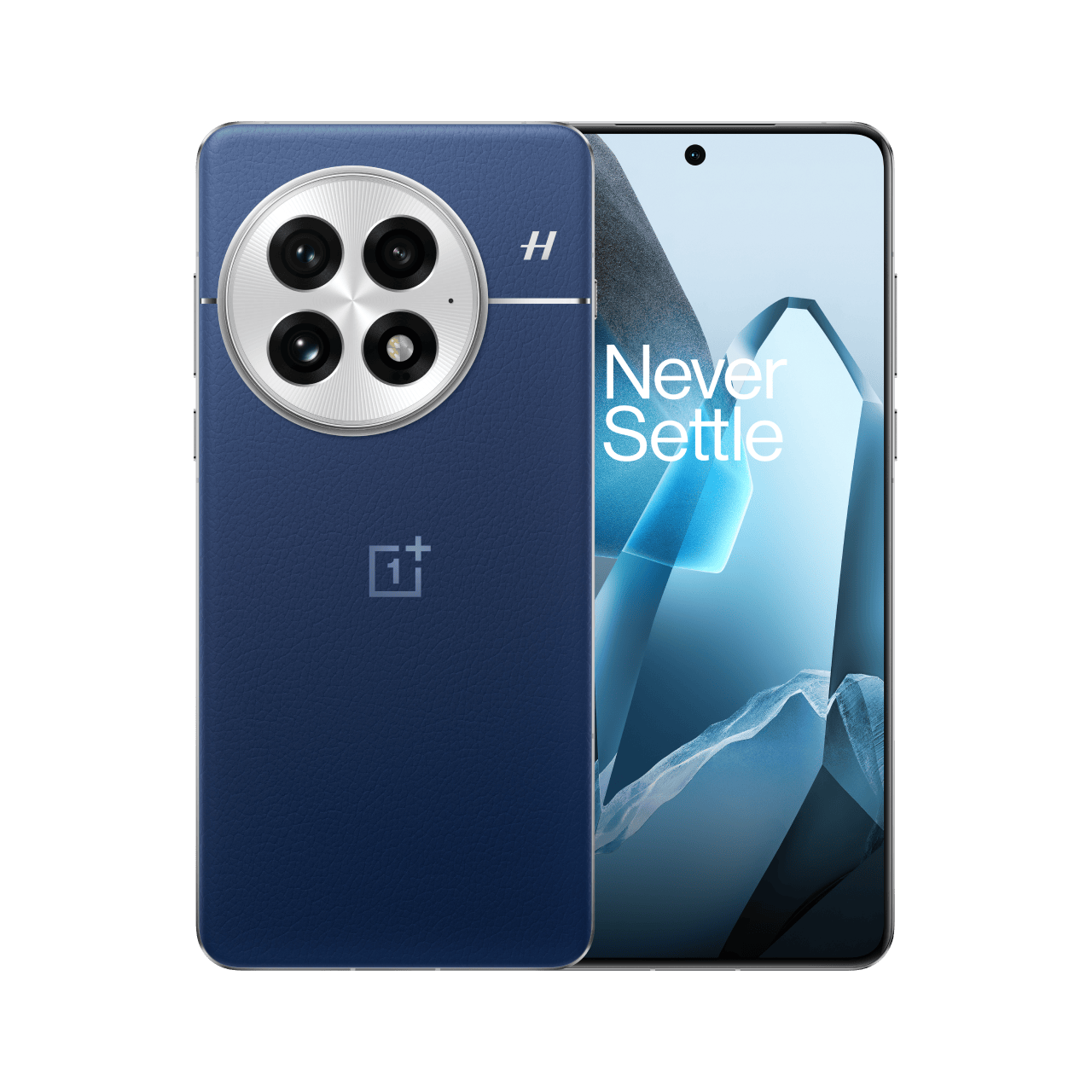
Top 5 Signs Your Smartphone Is Acting Up: Recognizing Rogue Behavior
As smartphones have become essential tools in our daily lives, it's important to recognize the top signs your smartphone is acting up. One of the most common indicators is a sudden decrease in performance. If you notice your device lagging, apps taking longer to open, or overall sluggishness, it might be time to investigate further. Other signs include frequent crashes or unexpected restarts that disrupt your usage, indicating potential hardware or software issues that need addressing.
Additionally, watch for irregular battery drain, which can be a sign that your smartphone is struggling with background processes or applications. If your device heats up unnecessarily during normal use, it could indicate rogue behavior and a need for maintenance. Lastly, if you encounter unusual pop-ups or notifications from unfamiliar apps, this could signal a security issue. Understanding these five signs can help you take action before the problem escalates, ensuring your smartphone runs smoothly.
Counter-Strike is a highly popular first-person shooter (FPS) game that pits teams of terrorists against counter-terrorists in various objective-based missions. The game emphasizes teamwork, strategy, and skill, making it a favorite among competitive gamers. For those who enjoy capturing gameplay on mobile, check out the Top 10 iPhone tripods to enhance your streaming setup.
How to Tame Your Wild Phone: Tips for Bringing Back Control
In today's fast-paced digital world, it's easy for our phones to turn from helpful tools into wild distractions. To tame your wild phone, start by identifying your biggest distractions. Is it social media notifications, constant email alerts, or mindless gaming? Once you've pinpointed these, consider creating a usage schedule. For example, allocate specific times during the day for checking social media or responding to emails. You might also want to organize your home screen, placing only essential apps in view while hiding the rest in folders. This not only reduces visual clutter but also makes it easier to focus on what truly matters.
Another effective method to regain control over your device is to utilize Do Not Disturb settings strategically. By customizing these settings, you can silence notifications during important tasks or family time. Additionally, consider limiting your phone's screen time through built-in features. Many smartphones now offer controls that allow you to track and limit your usage of specific apps. Lastly, don’t forget the power of unplugging. Set specific times in your day when you fully disconnect from your phone, allowing space for other enriching activities. This deliberate approach to phone usage can significantly enhance your productivity and mental well-being.
What to Do When Your Device Goes Rogue: A Step-by-Step Guide
When your device goes rogue, it can feel overwhelming, but there are practical steps you can take to regain control. First, restart your device. This often resolves minor glitches. If the problem persists, try checking for any software updates. Keeping your operating system and applications up-to-date can fix bugs and enhance security. Backup your data regularly; if issues escalate, you'll want a safeguard against data loss.
Next, if your device is still acting erratically, perform a virus scan using trusted antivirus software. This can help identify and eliminate any malicious threats. If the scan reveals issues, follow the on-screen instructions to remove them. If everything seems normal but problems continue, consider resetting your device to factory settings, but ensure you've backed up your data first. For persistent issues, consult professional support or the manufacturer’s customer service for further assistance.