The Versatility of Nylon: From Fashion to Function
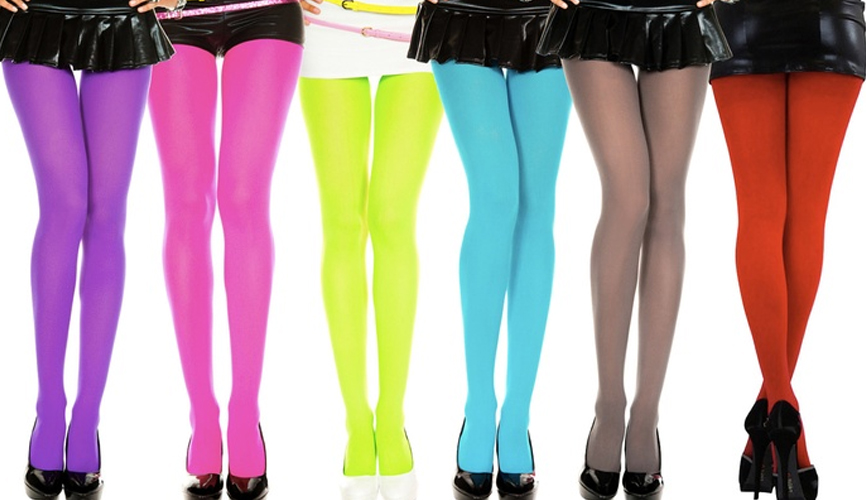
Nylon is a synthetic fabric that has revolutionized various industries due to its remarkable versatility. Originally invented in the 1930s by Wallace Carothers at DuPont, nylon quickly became popular in the fashion world for its silky texture and durability. From fashionable garments like dresses and activewear to everyday accessories such as bags and hosiery, nylon has secured its place at the forefront of modern wardrobe staples. Its ability to be dyed in a myriad of colors and patterns further enhances its appeal, making it a go-to fabric for designers and consumers alike.
Beyond its applications in the fashion industry, nylon serves a vital role in numerous practical uses. In functional applications, it is used in industrial settings for manufacturing ropes, backpacks, and parachutes, showcasing its strength and resilience against wear and tear. Additionally, the fabric's resistance to moisture and mildew makes it an ideal choice for outdoor gear and equipment. As a testament to its multifunctional nature, nylon is also employed in the automotive and aerospace industries, where its lightweight properties contribute to fuel efficiency and performance. This duality of fashion and functionality illustrates the enduring relevance of nylon in our daily lives.
Counter-Strike is a popular tactical first-person shooter game that pits teams of terrorists against counter-terrorists in various objective-based scenarios. Players engage in intense battles, using skill and strategy to outmaneuver their opponents. For those looking to stay active while gaming or exercising, check out the Top 10 Apple Watch Bands for Sweating to find the perfect accessory.
5 Everyday Uses of Nylon You Didn’t Know About
Nylon is a versatile synthetic material that has been around since the 1930s, but many people are still unaware of its everyday applications. One surprising use is in clothing, where nylon fabric is often blended with other materials to create durable and lightweight garments. From activewear to evening dresses, the strength and flexibility of nylon make it a popular choice for designers looking to combine style with functionality.
Another everyday use of nylon can be found in household items, such as rugs and upholstery. Its resistance to staining and wear makes nylon an ideal candidate for high-traffic areas or homes with pets and children. Additionally, nylon ropes and cords are widely used in outdoor equipment and activities, proving that this innovative material serves a broader purpose than many realize.
Why Nylon is the Unsung Hero in Sustainable Materials
Nylon is often perceived as a synthetic material synonymous with pollution and waste; however, it deserves recognition as an unsung hero in the realm of sustainable materials. Primarily made from petroleum, traditional nylon has been critiqued for its environmental impact. Yet, advancements in technology have birthed innovative iterations of nylon, such as recycled nylon, which repurposes existing materials, significantly reducing the carbon footprint associated with its production. This transformation not only conserves resources but also diverts waste from landfills, making it a vital player in the circular economy.
Furthermore, nylon's longevity and durability contribute to its sustainability credentials. Unlike many textiles that wear out quickly, nylon exhibits remarkable strength and resistance to wear, meaning products made from nylon can last much longer, reducing the need for frequent replacements. By choosing nylon over less durable materials, consumers can minimize their overall environmental impact. In conclusion, as we navigate the complexities of sustainable living, recognizing nylon as a versatile and sustainable option is crucial. The material not only supports eco-friendly practices but also encourages innovation in the textile industry.