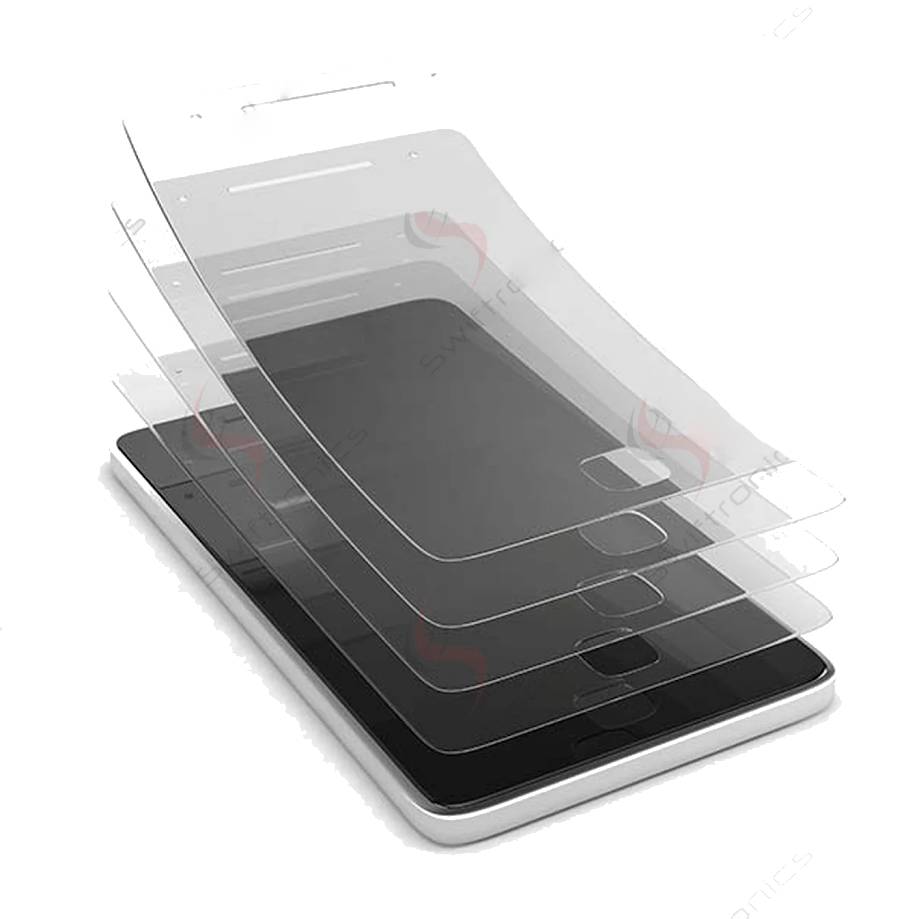
Top 5 Reasons Every Phone Needs a Screen Protector
In today's fast-paced digital world, our smartphones are essential tools that we rely on for communication, navigation, and entertainment. One of the top reasons every phone needs a screen protector is to safeguard it against scratches and everyday wear and tear. Even the smallest keys in your pocket can cause micro-abrasions that diminish your phone's display quality over time. By using a screen protector, you create a protective barrier that preserves the screen's clarity and overall appearance.
Another critical reason is to prevent potential cracks or breaks. Screen damage can happen in an instant, whether it's from a drop, bump, or even an impact from being sat on. A quality screen protector can absorb much of that shock, significantly reducing the chances of needing expensive repairs or phone replacements. Investing in a screen protector not only saves you money in the long run but also provides peace of mind that your device is well-protected.
Counter-Strike is a highly influential first-person shooter game that has shaped competitive gaming since its release. Its tactical gameplay emphasizes teamwork and strategy, making it a favorite among gamers worldwide. Whether you are a seasoned player or new to the franchise, there are always new challenges to face, such as mastering different maps and weapons. If you’re also interested in protecting your devices, check out the Top 10 iPhone air cases for some great options.
How to Choose the Right Screen Protector for Your Device
Choosing the right screen protector for your device is crucial to ensure optimal protection and usability. Screen protectors come in various types, each designed to meet specific needs. Here are some key factors to consider when making your selection:
- Material: Screen protectors are typically made from glass, plastic, or tempered glass. While plastic is lightweight and flexible, tempered glass provides superior durability and scratch resistance.
- Thickness: Thicker protectors tend to offer better protection against impacts but may affect touch sensitivity. Weigh your need for defense against potential usability issues.
- Installation: Some protectors are easier to install than others. Consider whether you prefer a self-adhesive or a bubble-free application.
After evaluating these factors, test the feel of the screen protector too. Each type has a different tactile experience, which can impact your overall satisfaction. Furthermore, don’t forget to read customer reviews or seek recommendations to find a protector that fits your lifestyle. Lastly, remember that a good screen protector is an investment in your device’s longevity, helping avoid costly repairs or replacements in the future.
Can a Screen Protector Really Save Your Phone from Damage?
When it comes to protecting your smartphone, many users turn to screen protectors as a simple and effective solution. The primary function of a screen protector is to create a barrier against scratches, dirt, and minor impacts. This thin layer of material, often made from tempered glass or plastic, can absorb the shock from drops and bumps, potentially preventing cracks and other damage to the actual screen underneath. While no accessory can guarantee complete protection, a high-quality screen protector can significantly reduce the risk of having to replace your phone's display, which can be an expensive repair.
In addition to physical damage, screen protectors also offer a layer of protection against smudges and fingerprints. Many modern protectors are designed with oleophobic coatings that repel oils, making it easier to keep your phone clean. However, it's essential to choose the right type of screen protector for your device. Some options include tempered glass, which provides better impact resistance, and film protectors, which are thinner but may not offer the same level of durability. Ultimately, investing in a reliable screen protector can extend the life of your phone and maintain its aesthetic appeal.