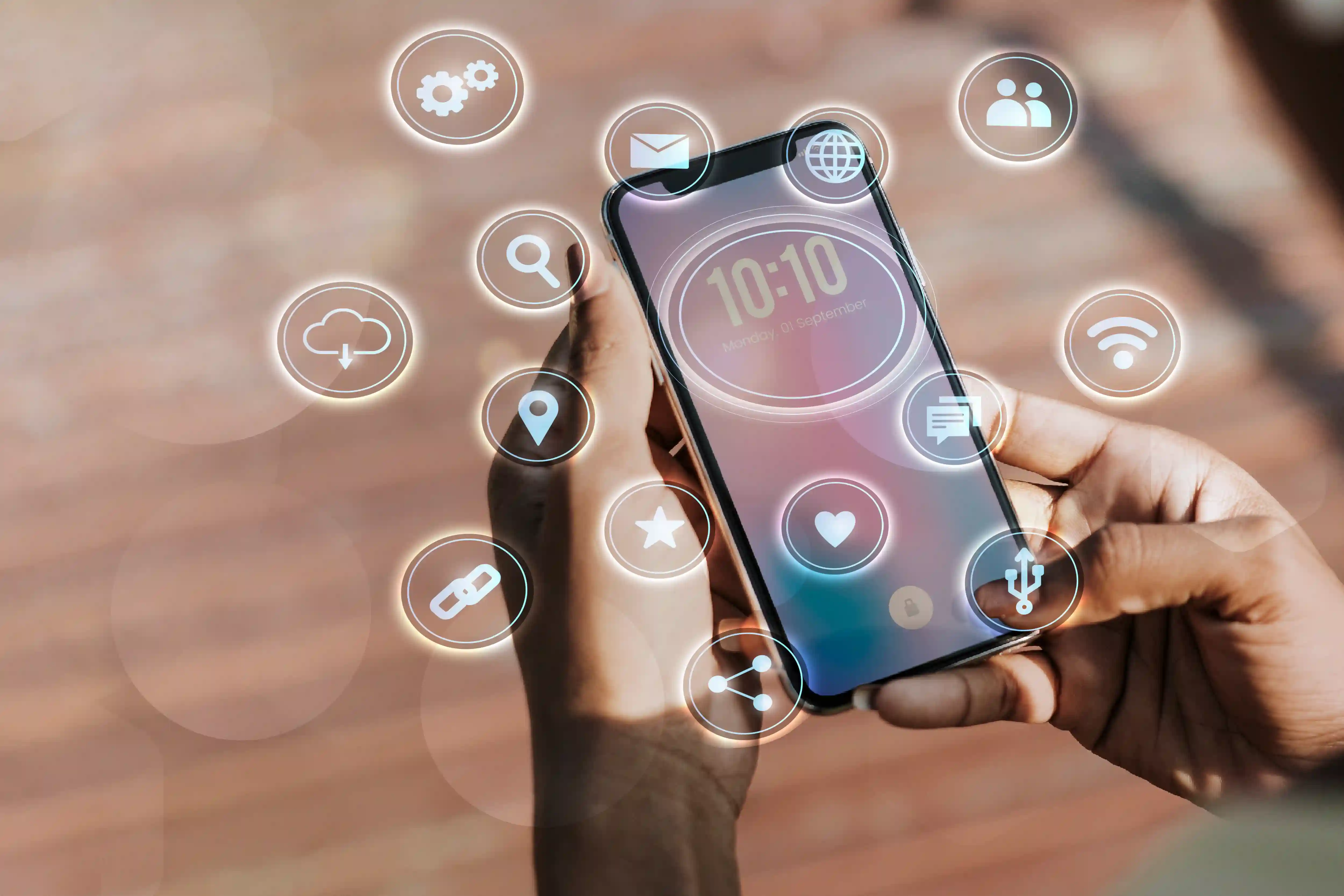
How Smartphones Revolutionize Our Daily Lives: A Deep Dive
In today's fast-paced world, smartphones have become an essential part of our daily lives, fundamentally changing how we communicate, work, and access information. With the ability to connect us instantly to anyone across the globe, smartphones have transformed traditional communication methods. Social media platforms and messaging apps have replaced long phone calls and letters, making it easier than ever for us to stay in touch with friends and family. According to a survey, over 85% of people now prefer texting to calling, showcasing the shift in our communication preferences and highlighting the impact of smartphones on our social interactions.
Beyond communication, smartphones play a crucial role in enhancing productivity and convenience in various aspects of our lives. For instance, mobile applications allow us to manage our schedules, monitor our health, and even shop online with just a few taps. The integration of features such as GPS navigation and mobile banking has made everyday tasks more manageable, saving us time and effort. As we consider the range of functionalities that smartphones offer—from accessing emails on the go to navigating unfamiliar areas—it's clear that they serve as powerful tools that revolutionize our daily routines, enabling us to lead more organized and connected lives.
Counter-Strike is a popular tactical first-person shooter game that has captivated players since its inception. It emphasizes team-based gameplay and strategy, making it a favorite in the esports community. Players often seek the best gear to enhance their gaming experience. For example, you can check out the Top 10 iPhone 17 Belt Clip Holsters to ensure your mobile device is secure during intense gaming sessions.
The Future of Smartphone Technology: What to Expect in the Next Decade
The future of smartphone technology promises to be both innovative and transformative, with advancements poised to change how we interact with our devices. Over the next decade, we can expect to see enhancements in several key areas, including artificial intelligence, 5G connectivity, and foldable displays. These improvements will not only enhance user experience but will also facilitate greater integration of smartphones into daily life, making them essential tools for both communication and productivity.
Moreover, as consumer demand for more sustainable technology rises, the smartphone industry is likely to shift towards eco-friendly materials and practices. Companies are already exploring ways to reduce waste and increase recyclability, which will become a focal point by 2030. Additionally, emerging technology such as augmented reality (AR) and virtual reality (VR) will likely become mainstream features, allowing users to experience their phones in entirely new ways, fundamentally redefining entertainment, education, and remote work.
Are Smartphones Making Us Smarter or Just More Distracted?
In an age dominated by technology, it is crucial to evaluate the impact of smartphones on our cognitive abilities. On one hand, smartphones serve as powerful tools for learning and productivity. They provide instant access to information, educational resources, and applications that enhance our problem-solving skills. For example, educational apps like Khan Academy and language learning platforms like Duolingo empower users to learn at their own pace anywhere they go. This immense access can be seen as a catalyst for knowledge acquisition, suggesting that smartphones indeed have the potential to make us smarter.
However, the convenience of instant information comes at a cost. With the constant notifications from social media, emails, and messaging apps, smartphones can lead to significant distractions, making it harder to focus on tasks that require deep concentration. A study from Harvard University revealed that multitasking can reduce productivity by up to 40%. As a result, while smartphones can enhance our ability to learn, they can also create a fragmented attention span, leaving us pondering whether the benefits truly outweigh the distractions they create.