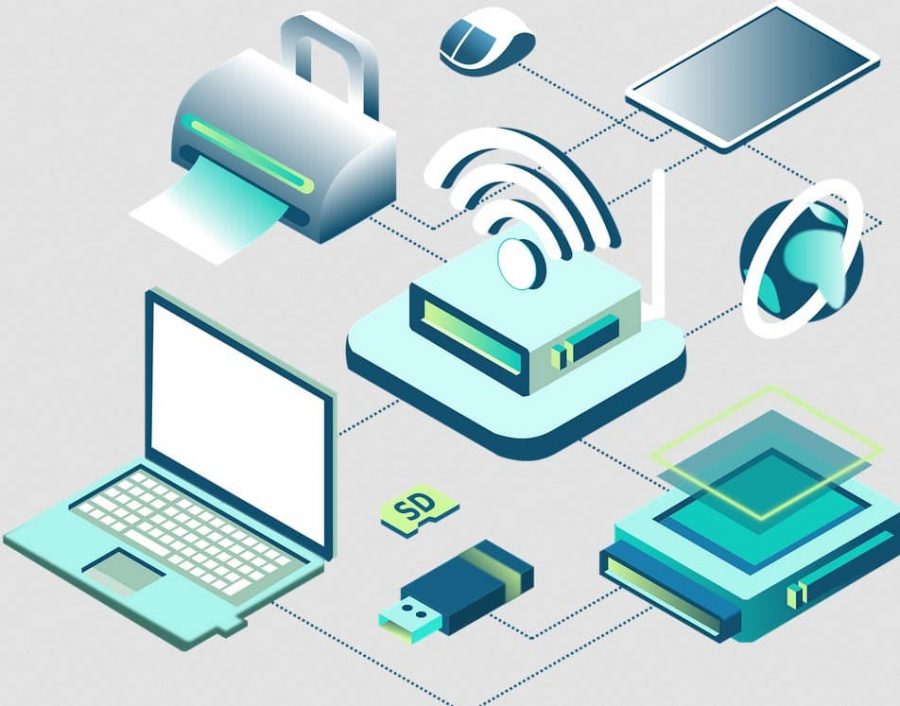
The Rise of 5G: What It Means for the Future of Wireless Connectivity
The advent of 5G technology marks a significant turning point in the realm of wireless connectivity. Unlike its predecessors, 5G promises to deliver unparalleled speed and reliability, enabling users to download and stream content at lightning-fast rates. This next-generation network is not just about faster internet; it heralds a new era of connectivity that can support a multitude of devices simultaneously without compromising performance. As smart cities and the Internet of Things (IoT) gain traction, the capabilities offered by 5G will play a crucial role in reshaping urban infrastructure and everyday life.
Moreover, the potential applications of 5G span various sectors, from healthcare and education to entertainment and transportation. For instance, live-streaming high-definition video content will become seamless, while autonomous vehicles will benefit from real-time data exchange, enhancing safety and efficiency. Industry experts predict that this increased connectivity will lead to innovations such as remote surgeries and virtual reality experiences that feel almost lifelike. As we stand on the brink of this technological revolution, it's clear that the rise of 5G will not only transform how we connect but also how we live and work in a hyper-connected world.
Counter-Strike is a popular multiplayer first-person shooter game that has garnered a massive following since its release. Players can participate in team-based combat, taking on the roles of terrorists or counter-terrorists to complete objectives or eliminate the opposing side. For those looking for great audio during gameplay, check out the Top 10 Earbuds for Meetings that provide excellent sound quality and comfort.
How Wi-Fi 6 is Transforming Our Daily Digital Experience
Wi-Fi 6, also known as 802.11ax, is revolutionizing the way we connect to the internet by providing faster speeds, improved capacity, and enhanced performance in crowded environments. With its ability to handle multiple devices simultaneously without a hitch, it ensures that our homes, offices, and public spaces experience minimal lag and seamless connectivity. Imagine a world where streaming high-definition videos, online gaming, and video conferencing can occur all at once, without interruptions. This transformation fundamentally changes how we consume content and interact with technology on a daily basis.
Moreover, Wi-Fi 6 incorporates advanced features such as OFDMA (Orthogonal Frequency-Division Multiple Access) and MU-MIMO (Multi-User Multiple Input Multiple Output), which work together to optimize bandwidth utilization. This means that during peak hours, when numerous devices are connected, your experience remains smooth and efficient. As more homes adopt smart devices ranging from thermostats to security cameras, having a robust network powered by Wi-Fi 6 ensures that these devices operate effectively without compromising performance. In essence, Wi-Fi 6 is not just a technological upgrade; it's a fundamental enabler of a more connected, efficient, and enjoyable digital lifestyle.
Is Satellite Internet the Next Big Thing for Global Connectivity?
The demand for reliable and high-speed internet access has never been greater, and as technology advances, many are asking: Is satellite internet the next big thing for global connectivity? With the recent launches of low Earth orbit (LEO) satellite constellations by companies like SpaceX and Amazon, the potential for global internet coverage is becoming a reality. These systems promise to deliver high-speed broadband services to remote and underserved areas, bridging the digital divide. By providing connectivity in regions where traditional infrastructure is not feasible, satellite internet could revolutionize the way people access information, conduct business, and communicate worldwide.
Moreover, satellite internet is poised to offer significant advantages over conventional broadband solutions. Subscribers can expect lower latency and improved reliability, even in challenging geographical conditions. As we venture into an increasingly digital future, the scalability and flexibility of satellite technology make it a contender for the title of the next big thing in global connectivity. The ongoing race between satellite providers to enhance service quality and reduce costs points to a potential shift in how we perceive global internet access, making it essential for businesses, governments, and individuals to stay informed about these developments.