The Truth Behind the House Edge: How casino odds really work
The concept of house edge is crucial for understanding how casino odds truly work. At its core, the house edge represents the mathematical advantage that the casino holds over players in each game. For example, in games like blackjack and roulette, the house edge can vary significantly, often ranging from 1% to over 25%, depending on the rules and the player's strategies. This built-in advantage ensures that, over time, the casino will always come out ahead, regardless of individual player luck. It's important to realize that while players can win in the short term, the house edge guarantees the casino's profitability in the long term.
Understanding casino odds involves more than just knowing the house edge; it's about recognizing the various outcomes associated with each game. For instance, in slot machines, each spin is governed by random number generators, making it impossible to predict wins. Similarly, in table games, odds can be affected by players' decisions and game rules. To make informed decisions, players should familiarize themselves with the return to player (RTP) percentages and the specific odds of winning for each game. Knowing these factors can enhance the player's experience and potentially increase their chances of success at the casino.
Don't miss out on the latest deals! Use our shuffle promo code to get exclusive discounts on your next purchase.
Understanding the House Edge: What Every Gambler Should Know
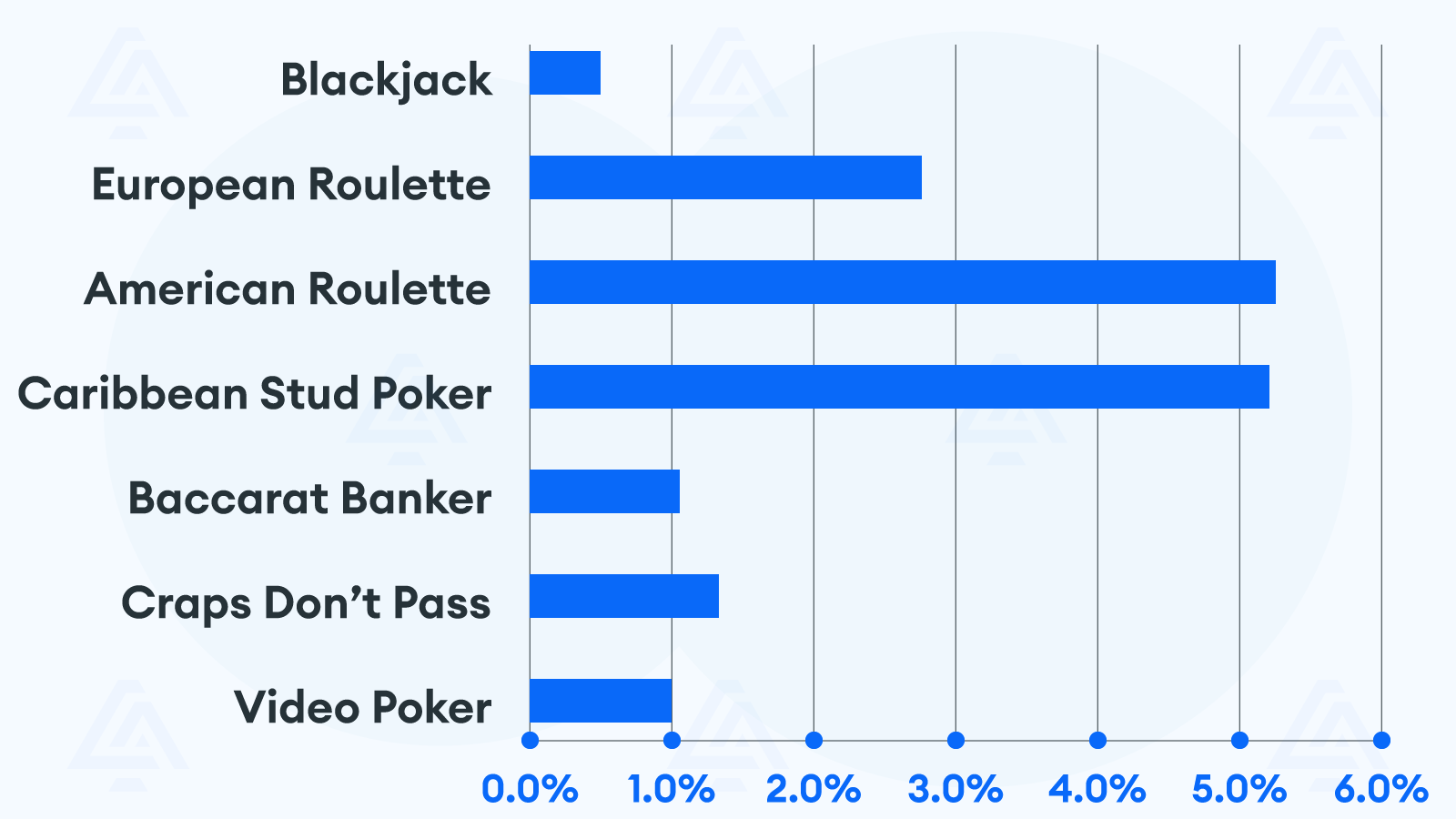
The house edge is a fundamental concept every gambler needs to understand. It represents the mathematical advantage that the casino holds over players in any given game. This edge varies by game; for instance, in American Roulette, the house edge is around 5.26%, while in Blackjack, it can be as low as 0.5% depending on the player's strategy. Understanding this percentage is crucial, as it influences your chances of winning and ultimately your overall gambling experience.
Knowing the house edge allows players to make informed decisions about which games to play and how to manage their bankroll. For example, games with a lower house edge often provide better opportunities for players when it comes to long-term play. To give you a more concrete understanding, here’s a brief list of popular casino games and their approximate house edges:
- Slot Machines: 2% - 15%
- Blackjack: 0.5% - 1%
- Roulette: 5.26% (American) and 2.7% (European)
- Baccarat: 1.06% (Player Bet) and 1.24% (Banker Bet)
Are Some Casino Games More Fair Than Others? Exploring the Odds
When it comes to the world of online and land-based casinos, the question of fairness often arises. Players frequently wonder, are some casino games more fair than others? To answer this, we need to understand the concept of odds and payout percentages. Games like blackjack and poker offer better odds to players because they heavily rely on skill, strategy, and decision-making, meaning that the player has a degree of control over the outcome. In contrast, games like slot machines and roulette are purely based on chance, which can lead to a greater house edge, making them less favorable from a fairness perspective.
In terms of exploring the odds, it is essential to look at the return to player (RTP) percentage, which indicates how much a game pays back to players over time. For instance, a slot machine with an RTP of 95% means that, theoretically, it returns $95 for every $100 wagered, while games like blackjack can have RTPs above 99% when played optimally. Thus, understanding these metrics helps players make more informed decisions on which games might be fairer. Ultimately, while no casino game can guarantee a win, being aware of the odds can significantly enhance a player’s chances of success.