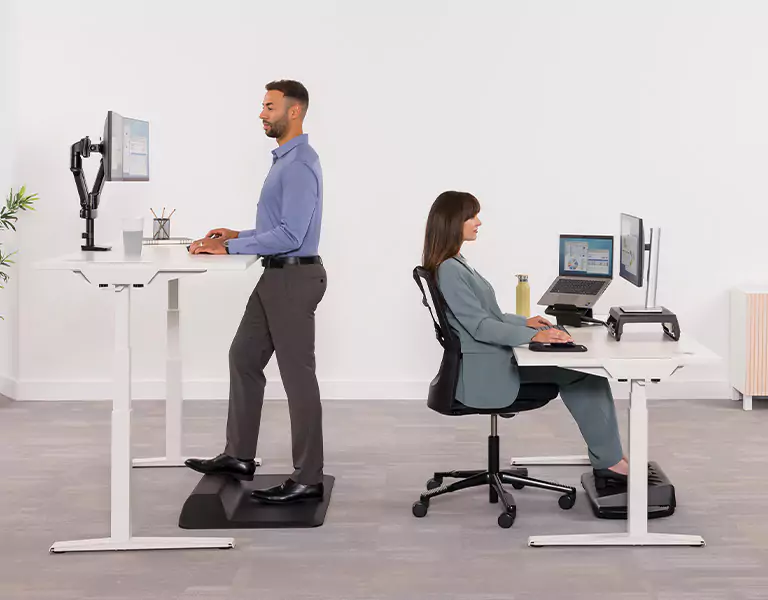
Understanding Ergonomics: How the Right Office Chair Can Transform Your Workspace
Understanding Ergonomics is essential for anyone who spends long hours at a desk. The right office chair can significantly improve your productivity and well-being. A well-designed ergonomic chair supports your posture, reduces strain on your back, and promotes healthy blood circulation. When choosing an office chair, look for adjustable features like height, backrest angle, and armrest height to find the perfect fit for your body type. Investing in quality ergonomic furniture is not merely a luxury; it’s a necessity for maintaining overall health in a workspace.
Transforming your workspace with the right office chair can lead to noticeable benefits. Studies show that ergonomic chairs can increase productivity and decrease discomfort during prolonged sitting. Here are a few key advantages of upgrading to an ergonomic chair:
- Improved posture: Helps keep your spine aligned, minimizing back pain.
- Enhanced comfort: Offers cushioned support for long hours of work.
- Increased focus: Reduces distractions caused by discomfort, allowing you to concentrate better.
Ultimately, understanding ergonomics and investing in the right office chair can create a workspace that not only boosts your performance but also fosters your overall health.
Counter-Strike is a tactical first-person shooter that has become a staple in the gaming community since its release. Known for its competitive gameplay, players can engage in team-based matches, completing objectives or eliminating the opposing team. For those looking to enhance their home office environment for gaming or work, consider checking out the Top 10 work from home accessories that can help improve your setup and comfort.
The Science of Comfort: What Makes an Office Chair Ergonomic?
The concept of ergonomics revolves around designing products that align with human anatomy and physiology, ensuring maximum comfort and efficiency. In the context of an office chair, several key elements contribute to its ergonomic design. First, the adjustability of the chair is crucial; features such as height adjustments, armrest positioning, and lumbar support allow users to customize their seating experience. Additionally, the material used in the construction, such as breathable fabrics and memory foam, plays a significant role in providing adequate support and reducing discomfort during prolonged periods of sitting.
Another important aspect of ergonomic office chairs is the sitting posture they promote. These chairs often include a contoured seat and backrest that encourage a neutral spine position, which minimizes strain on the back and neck. Furthermore, the presence of features like tilt mechanisms and dynamic support helps maintain healthy blood circulation and prevents fatigue. In essence, an ergonomic office chair not only enhances comfort but also boosts productivity by reducing the physical toll of sedentary work environments.
Are You Sitting Correctly? Common Mistakes and Tips for Optimal Ergonomics in the Office
When it comes to workplace productivity, optimal ergonomics plays a crucial role. Many individuals unknowingly make common mistakes in their seating posture that can lead to discomfort and long-term health issues. One major mistake is slouching or leaning forward in the chair, which can strain your back and neck. To improve your posture, ensure that your chair supports the natural curve of your spine and that your feet are flat on the floor. An ergonomic chair should also allow for proper arm positioning, keeping your elbows at a 90-degree angle.
To further enhance your office ergonomics, consider following these tips:
- Adjust your monitor so that the top of the screen is at or slightly below eye level.
- Keep your keyboard and mouse close enough to avoid reaching, ideally at the same level as your elbows.
- Take regular breaks to stretch and move around, reducing the risk of stiffness and fatigue.