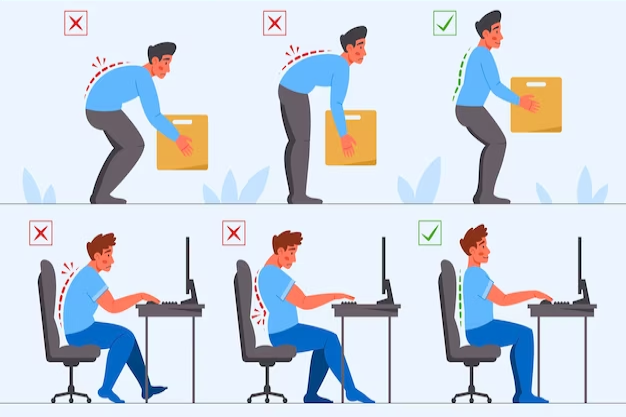
Understanding Ergonomics: The Key to a Pain-Free Workspace
Ergonomics plays a crucial role in creating a workspace that promotes comfort and efficiency. By understanding and implementing proper ergonomic principles, individuals can significantly reduce the risk of musculoskeletal disorders and improve overall productivity. Ergonomics involves arranging your workspace in a way that fits your body’s natural movements and needs. For instance, ensuring that your chair provides adequate lumbar support, your monitor is at eye level, and your keyboard is positioned to maintain a neutral wrist posture can make a notable difference in your daily comfort levels.
To achieve a pain-free workspace, consider the following tips:
- Invest in an adjustable chair that supports your lower back.
- Position your computer screen about an arm’s length away, with the top of the screen at or slightly below eye level.
- Keep your feet flat on the ground or on a footrest to promote good posture.
- Take regular breaks to stretch and change positions throughout the day.
Counter-Strike is a highly popular first-person shooter game that pits terrorists against counter-terrorists in a variety of game modes and maps. With its competitive gameplay and tactical depth, it has become a staple in the esports community. For gamers looking to enhance their gaming experience, here are some Top 10 Desk Setup Trends that can improve your performance and comfort while playing.
Essential Tips for Setting Up an Ergonomic Home Office
Creating an ergonomic home office is crucial for promoting productivity and ensuring your comfort during long work hours. To start, assess your workspace and consider factors such as lighting, noise levels, and available space. Ensure your desk is at the right height—your elbows should form a 90-degree angle when typing. Additionally, invest in an ergonomic chair that provides adequate lumbar support. This setup not only enhances your posture but also minimizes the risk of musculoskeletal injuries.
Another essential tip is to organize your desk to reduce clutter and distractions. Utilize cable management solutions to keep cords tidy, and position frequently used items within arm's reach. Consider implementing a sit-stand desk or using an external monitor to encourage movement throughout the day. Finally, don't forget to take regular breaks; stretching or going for short walks can rejuvenate your mind and body, further enhancing your overall productivity.
Common Mistakes That Lead to Back Pain While Working
Many individuals experience back pain due to common mistakes made while working, particularly in office environments. Poor posture is one of the leading causes of discomfort; slouching or leaning forward in your chair can put undue strain on your spine. To combat this, ensure your workstation is ergonomically designed and that your chair supports your lower back. Additionally, frequent breaks are crucial. Sitting for prolonged periods can lead to stiffness and tension, so make it a point to stand, stretch, or take brief walks throughout the day.
Another prevalent mistake is the absence of proper lifting techniques. Whether you are lifting heavy boxes or rearranging office supplies, using your back instead of your legs can result in injury. Always bend at your knees and keep the load close to your body. Moreover, neglecting exercise or ignoring back strengthening routines can exacerbate existing pain. Incorporating activities that promote flexibility and strength can significantly reduce the risk of back pain while working.