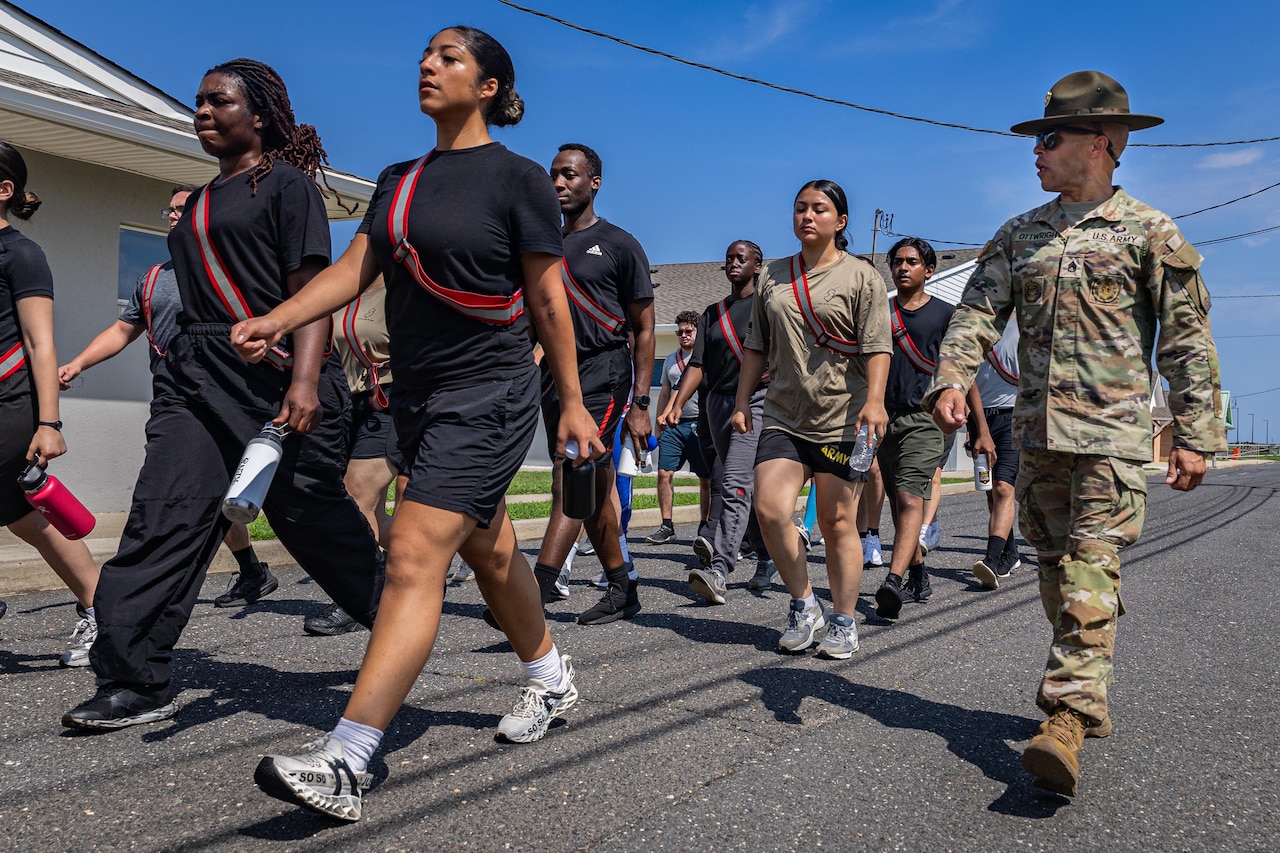
The Rhythm of Service: How Military Drills Shape Music Trends
The intersection between military drills and music trends is an intriguing phenomenon that highlights how rhythm and discipline can shape artistic expression. Throughout history, military music has played a crucial role in enhancing troop morale and discipline, employing rhythmic structures that resonate deeply with listeners. Marching bands, for instance, utilize repetitive beats and precise formations that not only facilitate synchronized movement but also create a catchy auditory experience. This structured form of music has inspired various genres, including pop and hip-hop, where infectious beats and rhythmic patterns dominate the soundscape.
As we witness the evolution of music trends, it's evident that the influence of military drills extends beyond the battlefield. Artists and producers increasingly draw inspiration from military rhythms, incorporating elements like snare drums and brass instruments into their compositions. For example, the popularity of trap music often borrows from the sharp, driving beats reminiscent of military cadence, creating a powerful connection between discipline and creativity. This fusion not only demonstrates the adaptability of musical styles but also underscores how military drills continue to shape the very fabric of contemporary music culture.
Counter-Strike is a highly popular team-based first-person shooter that has captivated gamers since its inception. Players can choose to be part of the terrorist or counter-terrorist team, engaging in various missions and objectives. As the competition heats up, gamers often seek to protect their devices with reliable accessories, such as the Top 10 Military Grade Shockproof Cases for iPhone 17, to ensure a seamless gaming experience.
From Barracks to Billboard: The Influence of Military Precision on Dance Culture
The transition from barracks to billboard reflects the unique intersection of military precision and contemporary dance culture. This influence is evident in the disciplined formations and synchronized movements that are often showcased in dance performances. Choreographers draw inspiration from military drills, where timing and execution are paramount, creating a visually striking spectacle that captivates audiences. By employing these elements, dancers can convey powerful narratives through their routines, mirroring the rigour and dedication found in the armed forces.
Moreover, the discipline cultivated in the military is akin to the dedication required in the world of dance. Training regimens adopted by dancers often include elements of military style conditioning, focusing on strength, endurance, and teamwork, essential for both fields. The influence of military aesthetics on dance also extends to costumes and presentations, with elements such as structured uniforms and authoritative postures taking center stage in choreographed pieces. This blending of artistry and discipline not only enhances performances but also pays homage to the longstanding traditions of military service, creating an engaging and rich tapestry within modern dance culture.
Marching Forward: What Can Pop Culture Learn from Military Training Techniques?
In the ever-evolving landscape of pop culture, there are valuable lessons to glean from the rigorous world of military training techniques. Just as soldiers undergo extensive drills to prepare for the unexpected, creators in the entertainment industry can benefit from similar preparation methods. One such technique is the emphasis on teamwork and clear communication, which is essential both in military exercises and in collaborative endeavors like film production or band performances. By adopting a structured approach that includes regular rehearsals and feedback loops, artists can enhance their creative outputs and effectively engage their audiences.
Moreover, the concept of adaptability is paramount in military training and can be a game-changer for pop culture professionals. Soldiers are trained to think on their feet and pivot quickly in response to changing circumstances. This skill can translate well to the rapidly shifting dynamics of pop culture, where trends can rise and fade in the blink of an eye. By cultivating an agile mindset, content creators can stay relevant and innovative, ensuring their work resonates with a diverse audience. Ultimately, embracing these military techniques can empower pop culture figures to not just survive in the industry, but to truly march forward in their artistic endeavors.