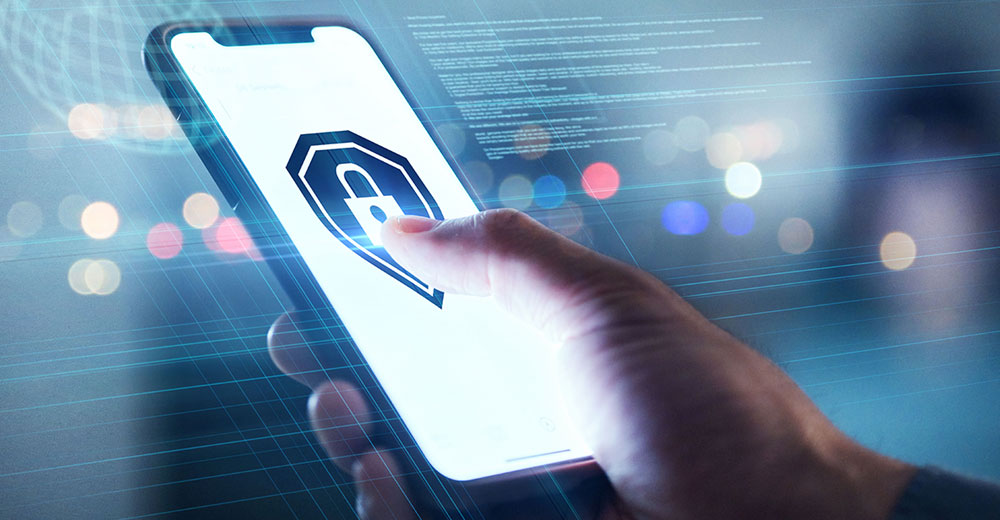
Top 10 Mobile Security Tips to Protect Your Personal Data
In today's digital age, securing your mobile device is more crucial than ever. With the increase in smartphone usage, protecting your personal data has become a top priority. To help you stay safe, here are the top 10 mobile security tips to consider:
- Keep your operating system and apps updated to ensure you have the latest security patches.
- Use strong, unique passwords for all your accounts and consider a password manager.
- Enable biometric security features like fingerprint and facial recognition.
- Activate two-factor authentication (2FA) wherever possible.
- Be cautious of public Wi-Fi networks; use a VPN for an extra layer of security.
In addition, it's essential to be vigilant about the permissions you grant to apps. Always review the privacy settings and only download applications from reputable sources. Furthermore, regularly back up your data to ensure you don't lose important information in case of theft or malware attacks. Finally, remember to turn off Bluetooth and location services when they are not in use to further reduce exposure to potential threats. By following these mobile security tips, you can significantly enhance the protection of your personal data on your smartphone.
- Review and manage app permissions carefully.
- Download apps only from official app stores.
- Regularly back up your data to secure locations.
- Turn off Bluetooth and location when not in use.
Counter-Strike is a popular first-person shooter game that has captivated millions of players worldwide. The game emphasizes teamwork and strategy, with players divided into two teams: terrorists and counter-terrorists. As players engage in intense matches, they can also benefit from various enhancements, such as the Top 10 iphone privacy screen protectors that help secure their gaming devices.
Is Your Phone at Risk? Signs That Indicate You Need Better Security
In today's digital age, smartphones have become an integral part of our daily lives, containing sensitive information ranging from personal messages to financial data. It's crucial to ask yourself, is your phone at risk? Several signs can indicate that your device may not be secure. For instance, if you notice unexpected apps or settings changes, it may suggest that malicious software has infiltrated your phone. Other warning signs include rapid battery drainage and unusual data usage—both of which could indicate that your device is running background processes without your knowledge.
Another critical sign that it might be time to boost your phone's security is the frequent appearance of intrusive pop-ups or advertisements. If your browsing experience becomes cluttered with unsolicited ads, it may be a signal of adware or other invasive software. Additionally, if you receive warnings from your mobile carrier or security software about potential threats, take these alerts seriously. Investing in better security measures, such as enabling two-factor authentication or downloading reputable security apps, can significantly enhance your protection and ensure that your phone is safe.
Understanding Mobile Malware: How to Recognize and Avoid Threats
Understanding mobile malware is crucial in today’s digital landscape, where our smartphones and tablets hold vast amounts of personal information. Mobile malware can manifest in various forms, including viruses, trojans, ransomware, and spyware. To recognize these threats, pay attention to signs such as unexpected app crashes, unusual battery drainage, or unfamiliar apps appearing on your device. Being aware of these indicators can help you identify potential malware infections before they cause serious damage.
To effectively avoid mobile malware, follow these essential tips:
- Download apps only from trusted sources, such as Google Play Store or Apple App Store.
- Keep your operating system and apps updated to benefit from the latest security patches.
- Use reputable antivirus software designed specifically for mobile devices.
- Be cautious with public Wi-Fi networks, as they can expose your device to hackers.