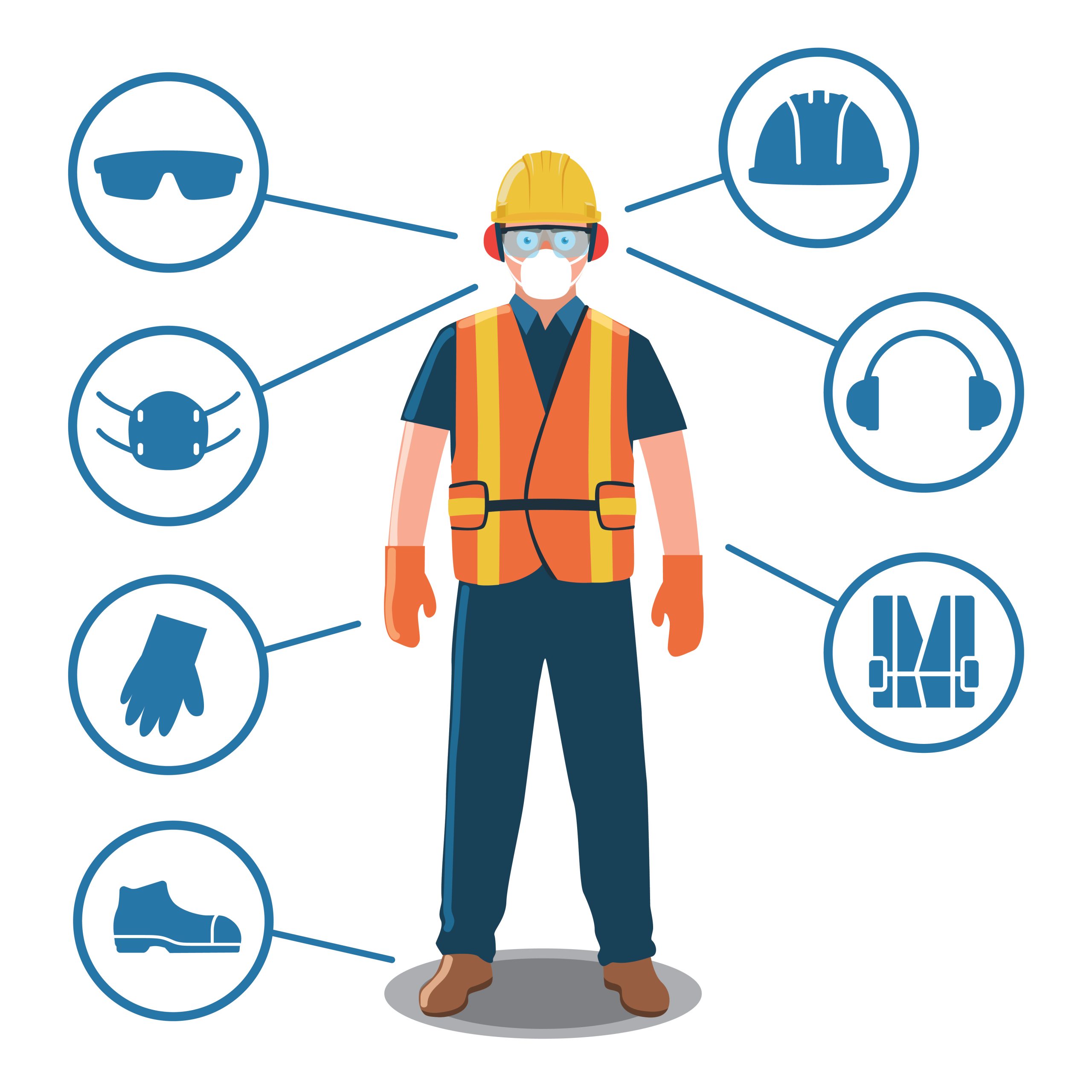
The Power of Routine: How Boring Habits Can Enhance Your Safety
The power of routine cannot be overstated when it comes to enhancing personal safety. By establishing boring habits, individuals create a predictable environment that fosters awareness and minimizes risks. Simple actions like checking doors and windows before leaving home or always taking the same route to work reduce uncertainty and potential hazards. Routine instills discipline and allows you to focus more on your surroundings, thus improving decision-making in unexpected situations.
Furthermore, integrating safety measures into your daily routine can drastically lower the chances of accidents or dangerous encounters. For example, routinely checking smoke detectors or having a fire escape plan is crucial for preparedness. Similarly, setting alarms for home security, even if they seem tedious, becomes a boring habit that significantly boosts safety. In essence, embracing the mundane aspects of life not only contributes to a sense of control but also transforms your habits into powerful tools for protecting yourself and your loved ones.
Counter-Strike is a highly popular first-person shooter game that pits two teams against each other: the Terrorists and the Counter-Terrorists. Players can choose from various weapons and tactics to achieve their objectives, such as planting or defusing bombs and rescuing hostages. The game has evolved over the years, leading to various versions, including Counter-Strike: Global Offensive, which has gained a massive following and is a staple in competitive gaming events. For gamers who love to travel and want to keep their devices organized, check out these Top 10 Travel Accessories for AirPods to enhance your experience on the go.
Everyday Risks: Why Predictability Matters in Accident Prevention
Everyday risks are an inevitable part of our lives, yet understanding the significance of predictability in accident prevention can greatly reduce their occurrence. By identifying common scenarios that lead to accidents, such as wet floors or distracted driving, individuals and organizations can implement specific measures to enhance safety. For example, consider the following strategies:
- Regular maintenance checks on vehicles and equipment
- Clear signage and communication about risks
- Training employees and family members on safety protocols
The concept of predictability extends beyond just recognizing danger; it involves anticipating potential hazards and taking proactive steps to mitigate them. When we create environments where risks are minimized and safety is prioritized, we ultimately foster a culture of prevention. As everyday scenarios continue to evolve, so too should our approach to safety. By prioritizing predictable safety measures, we can significantly decrease the likelihood of accidents and protect our loved ones and colleagues.
Is Being Boring the Key to a Safer Life? Exploring the Benefits of Caution
In a world that often celebrates boldness and risk-taking, the idea that being boring could lead to a safer life might sound counterintuitive. However, embracing a more cautious lifestyle can foster security and stability. By prioritizing routine over the thrill of spontaneity, individuals may find themselves less exposed to the dangers that often accompany adventurous decisions. For instance, opting for familiar routes during travel or maintaining consistent daily habits can significantly reduce the likelihood of accidents and unfortunate events.
The key benefits of this cautious approach are manifold. Firstly, being boring can lead to improved mental health by minimizing anxiety associated with the unpredictable. Secondly, a steady lifestyle allows for better planning and preparedness, enabling individuals to navigate challenges more effectively. Lastly, fostering meaningful relationships through consistent engagement rather than sporadic excitement can enrich one’s life, creating a supportive network that thrives on reliability. In essence, caution can pave the way for not just a safer life but a more fulfilling one.